
Ledger Live Desktop® — Getting Started | Official Ledger
Get started with Ledger Live Desktop to learn about Ledger device connections, account management, portfolio visibility, supported applications, and secure cryptocurrency management.
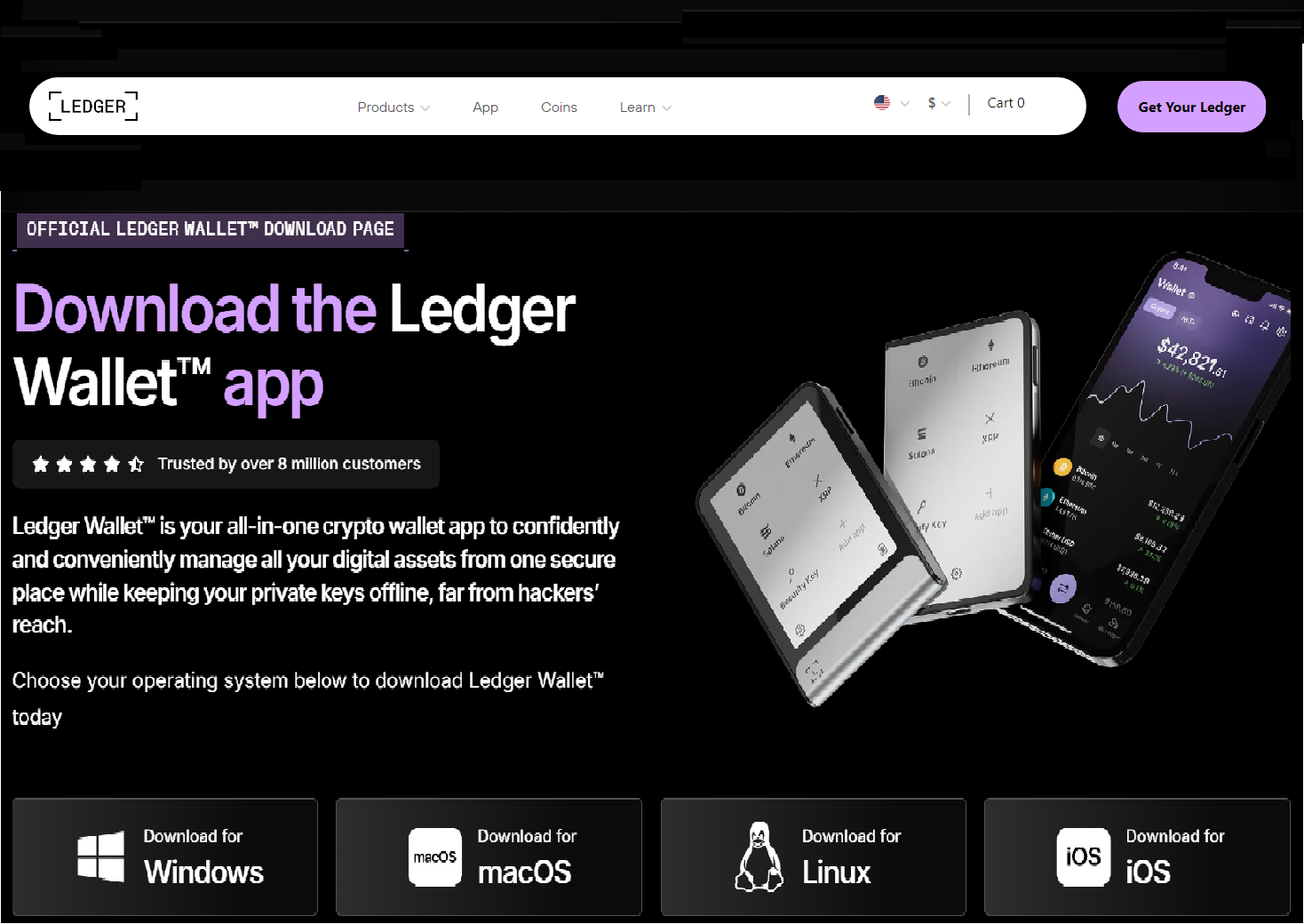
Ledger Live Desktop: A Complete Guide to Secure Crypto Management
Managing cryptocurrency from a desktop computer can become easier when wallet software provides a clear interface for viewing accounts, checking balances, installing supported blockchain applications, and reviewing transactions. Ledger Live Desktop is designed to work alongside compatible Ledger hardware wallets, giving users a convenient environment for managing supported digital assets while keeping transaction authorization connected to the physical device.
For beginners, understanding how the desktop application and hardware wallet work together is important. The software provides the management interface, while the hardware wallet adds a dedicated security layer for sensitive operations. Learning the difference between these roles can make everyday cryptocurrency management more organized and secure.
What Is Ledger Live Desktop?
Ledger Live Desktop is a desktop-based application associated with Ledger hardware wallets. It provides an interface through which users can manage supported cryptocurrency accounts, view portfolio information, install compatible applications, and interact with blockchain networks.
The application is intended to simplify routine wallet management without replacing the hardware wallet itself. Sensitive transaction approvals can still require confirmation through the connected physical device.
How Ledger Live Desktop Works With a Hardware Wallet
The desktop application and hardware wallet have different responsibilities. Ledger Live Desktop can display account information and prepare transactions, while the physical device is used for important security operations such as transaction confirmation.
This separation can provide an additional layer of protection. Even when the computer is connected to the internet, the hardware wallet remains an important component of the transaction authorization process.
Users should therefore keep control of their physical device and carefully review important information shown on its screen.
Preparing for Ledger Live Desktop
Before installing desktop wallet software, make sure the computer is operating normally and that security updates are current. Avoid installing applications from unknown download sources or links received through unsolicited messages.
It is also useful to have the Ledger hardware wallet available before beginning the configuration process. Keep recovery information private and never provide it to websites, applications, or individuals claiming that it is required for desktop installation.
A careful preparation process can prevent many common setup mistakes.
Installing the Desktop Application
The desktop application should be obtained through a trusted and verified source. Users should pay attention to the application name, download location, and installation prompts.
After installation, allow the application to load completely before connecting or configuring the hardware wallet. If unexpected messages request sensitive information such as a recovery phrase, stop the process and verify the source.
A legitimate wallet-management process should never require users to casually disclose their recovery credentials.
Connecting a Ledger Hardware Wallet
Once the desktop application is ready, users can connect their compatible Ledger device according to the available setup instructions.
The hardware wallet may need to be unlocked before the desktop application can communicate with it. Follow the instructions displayed on the physical device rather than relying solely on instructions appearing in a browser window or another unfamiliar application.
Keeping the device connected only when necessary can also encourage more deliberate wallet-management habits.
Understanding Accounts in Ledger Live Desktop
Cryptocurrency accounts provide a way to organize assets associated with different blockchain networks. Within the desktop interface, users may be able to view balances, transaction histories, and other account-related information.
Different assets can have different network requirements, so users should confirm that they are working with the correct asset and network before sending or receiving funds.
Clear account organization can make portfolio management easier and help users identify unfamiliar activity.
Installing and Managing Blockchain Applications
Some cryptocurrency networks require a corresponding application on the hardware wallet. Ledger Live Desktop can provide tools for managing compatible applications where supported.
Users should pay attention to available storage and compatibility requirements when installing applications. Removing an application from a hardware wallet does not necessarily mean that the associated blockchain account has been deleted, but users should understand how their specific assets and accounts work before making changes.
Checking Cryptocurrency Balances
The desktop interface can provide a convenient way to review cryptocurrency balances and account activity. This can help users keep track of supported assets without repeatedly interacting directly with blockchain explorers.
However, displayed balances should be considered account information rather than a substitute for transaction verification. When making a transfer, users should still carefully review the transaction details before approving it.
Receiving Cryptocurrency Through Ledger Live Desktop
Receiving cryptocurrency generally involves providing an appropriate wallet address to the sender. Because blockchain transactions can be difficult or impossible to reverse, address accuracy is extremely important.
For higher-value transfers, users should take additional time to verify the receiving address and network. When available, confirming the address through the hardware device can provide another layer of assurance.
Avoid accepting addresses from unknown sources without checking them carefully.
Sending Cryptocurrency Safely
Sending cryptocurrency requires additional attention because an incorrect destination address can result in permanent loss of funds.
Before approving a transaction, review the recipient address, amount, network, and applicable fees. Do not rush simply because an application displays a transaction as ready for approval.
The hardware wallet's physical display should be treated as an important verification point before final confirmation.
Reviewing Transactions on the Physical Device
One of the most important security habits is reviewing transaction information directly on the hardware wallet. The desktop application may prepare a transaction, but the physical device can provide the final opportunity to check important details before approval.
Compare the displayed information with the transaction you intended to make. If the destination address, amount, or other details appear different, reject the transaction and investigate the issue.
This habit can help reduce the risks associated with malicious software or misleading interfaces.
Protecting the Recovery Phrase
The recovery phrase remains one of the most sensitive pieces of information associated with a self-custody wallet. It should never be entered into Ledger Live Desktop simply because a message or website claims that it is required for synchronization, verification, or support.
Store recovery information offline in a secure location. Avoid photographs, screenshots, cloud documents, email storage, and messaging applications.
Anyone who gains access to the recovery information may potentially be able to restore the wallet elsewhere.
Avoiding Fake Ledger Applications and Websites
Crypto users should remain alert for applications and websites designed to imitate legitimate wallet services. Attackers may use familiar logos, similar domain names, fake support messages, or urgent security warnings to convince users to disclose sensitive information.
Do not trust an application merely because its appearance looks professional. Verify its source independently before installation or use.
Unexpected requests for recovery phrases, private information, or urgent transfers should always be treated with caution.
Keeping Ledger Live Desktop Updated
Software updates can introduce improvements, compatibility changes, and security fixes. Users should keep their desktop wallet environment maintained through trusted update channels.
Before accepting an update, confirm that it comes from a legitimate source. Avoid downloading replacement installers from random websites, forums, advertisements, or direct messages.
Keeping the application current is useful, but verifying the authenticity of the update is equally important.
Common Ledger Live Desktop Problems
Users may occasionally encounter connection issues, unsupported assets, synchronization delays, application errors, or device recognition problems.
When an issue appears, avoid immediately searching for unofficial solutions that request sensitive wallet information. Instead, identify the exact error and consult reliable documentation or official support resources.
A troubleshooting process should never require handing over a recovery phrase or private wallet credentials.
Why Desktop Security Matters
Ledger Live Desktop operates on a computer that may be connected to the internet and exposed to ordinary online risks. Good security therefore involves more than the hardware wallet itself.
Keeping the operating system updated, avoiding suspicious downloads, using reputable security practices, and carefully reviewing transaction information can strengthen the overall wallet environment.
The hardware wallet provides an important security layer, but safe user behavior remains essential.
Developing Better Ledger Live Habits
A secure routine can make cryptocurrency management more predictable. Users should regularly review account activity, confirm transaction details, protect their recovery information, and remain cautious when receiving unexpected wallet-related messages.
It is also helpful to avoid making financial decisions while distracted or under pressure. Taking a few extra moments to inspect transaction details can be more valuable than rushing through a confirmation.
What to Do When Something Looks Suspicious
If the desktop application, website, or hardware wallet displays unexpected information, pause before taking further action.
Do not enter recovery information into an unfamiliar form, approve a transaction that does not match your intention, or follow urgent instructions from unknown support accounts.
Instead, disconnect from the questionable process and investigate the issue through trusted documentation or verified support channels.
Final Thoughts
Ledger Live Desktop provides a convenient desktop environment for managing supported cryptocurrency accounts alongside a compatible Ledger hardware wallet. Its value comes from combining an accessible software interface with the security controls provided by the physical device.
Users can make the most of this setup by learning how accounts, blockchain applications, transaction approvals, and recovery information work together. Careful verification is particularly important when sending cryptocurrency or responding to unexpected security messages.
By using trusted software, protecting recovery information, keeping the desktop environment updated, and reviewing transaction details directly on the hardware wallet, users can develop a more careful and informed approach to everyday cryptocurrency management.
Updated about 7 hours ago