
Ledger® Live Wallet— Getting Started™ | official Ledger™
Get familiar with Ledger Live Login and learn how compatible Ledger devices work alongside Ledger Live for account management, asset monitoring, and secure transaction approval.
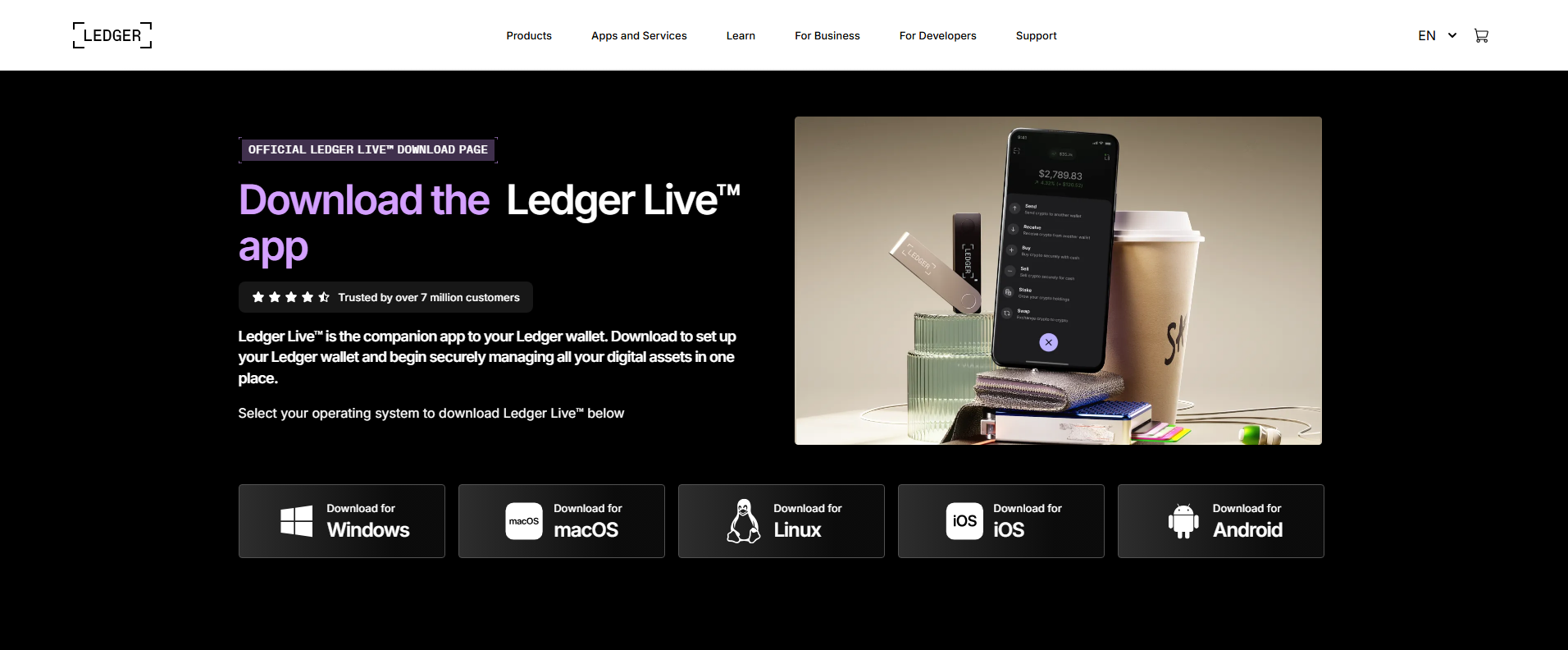
Ledger Live Login: A Complete Guide to Secure Wallet Access
Accessing a cryptocurrency wallet requires more than simply opening an application and viewing a balance. Users need to understand how wallet software, hardware security, device authentication, account information, and transaction verification work together. Ledger Live Login is commonly associated with accessing the Ledger wallet management environment, where users can review supported cryptocurrency accounts and interact with a compatible Ledger hardware wallet.
For anyone new to Ledger products, understanding the difference between software access and hardware authorization is especially important. The desktop or mobile interface can provide convenient account management features, while the physical hardware wallet adds an important security layer for sensitive operations.
What Is Ledger Live Login?
Ledger Live Login generally refers to the process of accessing the Ledger wallet-management environment and connecting with a compatible Ledger device. Depending on the current software experience and device configuration, users may need to open the appropriate Ledger application and connect or authenticate their hardware wallet.
The important point is that wallet management software and the physical hardware device serve different purposes. The application can display portfolio information and prepare transactions, while the hardware wallet can be used to authorize sensitive actions.
Understanding Ledger Wallet Access
A hardware wallet does not work exactly like a traditional online account. Cryptocurrency ownership is associated with blockchain addresses and cryptographic credentials rather than a conventional username and password system.
The hardware device is designed to protect sensitive authorization information and require physical confirmation for important operations.
Because of this model, users should be cautious when encountering websites that claim a recovery phrase or private credentials are required simply to complete a login.
Preparing for Ledger Live Access
Before opening the wallet-management application, make sure the computer or mobile device is operating normally. Keeping the operating system and trusted security software updated can help create a safer environment.
Users should also have their compatible Ledger hardware wallet available when required. The physical device should remain under their control during the entire process.
Avoid starting a wallet session from links received through unsolicited emails, advertisements, social-media messages, or unknown support accounts.
Opening the Correct Ledger Application
A common security mistake is searching for wallet software through unfamiliar websites and downloading the first application that appears.
Before using a Ledger application, verify that it comes from a trusted source. Fake wallet applications can be designed to imitate familiar interfaces and convince users to disclose sensitive information.
If an application unexpectedly asks for a complete recovery phrase during an ordinary login or account-management process, stop and investigate before continuing.
Connecting the Hardware Wallet
When required, connect the compatible Ledger device to the computer or mobile environment according to the available setup instructions.
The hardware wallet may require a device access code before it can be used. Enter sensitive information only where it is legitimately required and keep the physical device under your control.
If the software reports an unexpected connection request, unfamiliar device, or suspicious instruction, do not approve it automatically.
Understanding the Difference Between Login and Wallet Authorization
One of the most important concepts for new users is that accessing a wallet-management application is not necessarily the same as authorizing a blockchain transaction.
The software interface may display account information, but transaction authorization can require confirmation on the physical hardware wallet.
This separation is an important part of hardware-wallet security. Users should never assume that clicking a button on a computer automatically means a transaction has been securely approved.
Reviewing Your Cryptocurrency Accounts
Once the wallet environment is available, users can review supported accounts and portfolio information. Depending on the assets being managed, the interface may display balances, account names, transaction histories, and other relevant information.
Users should regularly review account activity so that unexpected transactions or unfamiliar changes can be identified quickly.
When managing multiple assets, keeping accounts organized can also make it easier to recognize the correct network and destination during transactions.
Checking Balances Carefully
A wallet interface can make it convenient to monitor cryptocurrency holdings from one location. However, users should remember that displayed balances are informational and can change as blockchain activity occurs.
If a balance appears unexpectedly different, avoid immediately assuming that the wallet has been compromised. First check transaction history, network activity, synchronization status, and other relevant information.
Careful verification can prevent unnecessary actions based on incomplete information.
Sending Cryptocurrency After Login
Accessing the wallet application is only the first part of managing cryptocurrency. When sending funds, users should carefully inspect every transaction detail before approval.
Check the recipient address, amount, network, and applicable transaction fee. Blockchain transfers may be irreversible, so an incorrect destination can result in permanent loss of funds.
Never approve a transaction simply because the software indicates that it is ready.
Confirming Transactions on the Hardware Device
The physical Ledger device can provide an important final verification point. Before approving a transaction, compare the information displayed on the hardware wallet with the transaction you intended to make.
Pay particular attention to the destination address and transfer amount.
If the information does not match your expectations, reject the transaction and investigate the cause. This extra verification step can be especially useful when the connected computer may be exposed to malicious software.
Protecting the Recovery Phrase
A recovery phrase should be treated differently from ordinary login information. It is highly sensitive and should remain private.
Do not enter a recovery phrase into websites, login forms, chat messages, emails, cloud documents, or applications simply because someone claims it is necessary to restore access or verify a Ledger account.
Store recovery information securely and offline whenever possible. Never share the complete phrase with another person.
Avoiding Fake Ledger Login Pages
Phishing pages can imitate wallet-management websites and use familiar branding to create a false sense of trust. Some may claim that a wallet needs immediate verification or that an account will be suspended unless the user signs in.
These warnings are designed to create urgency.
Instead of clicking unexpected links, navigate independently to trusted Ledger resources and verify the destination before entering any information.
Recognizing Suspicious Support Messages
Scammers may also impersonate technical-support representatives through email, social media, messaging platforms, or online forums.
A person claiming to be support should never be trusted simply because they know your name, transaction details, or general wallet information.
Never provide your recovery phrase or other highly sensitive wallet credentials to an unknown person. If assistance is required, use verified support channels.
Keeping Ledger Software Updated
Wallet-management software may receive updates that improve compatibility, functionality, or security. Users should install updates through trusted sources rather than downloading replacement software from random websites.
Before proceeding with an update, verify the application's source and carefully review unexpected prompts.
Regular maintenance can help reduce compatibility problems while maintaining a more reliable wallet-management environment.
Common Ledger Live Login Problems
Users may encounter connection problems, device-recognition errors, synchronization issues, application errors, or account-display problems.
The safest response is to identify the exact issue rather than immediately following instructions from an unknown source.
Avoid troubleshooting methods that require entering recovery information into a website or sending private credentials to someone offering assistance.
What to Do If Login Information Looks Wrong
If the wallet application displays an unexpected request, unfamiliar account, suspicious transaction, or unusual security warning, pause before taking further action.
Do not approve unknown transactions or provide recovery information to resolve the issue.
Instead, disconnect from suspicious interactions and investigate through trusted documentation or verified support resources.
Building Safer Login Habits
Secure wallet access depends heavily on consistent user behavior. Users should verify the application they are opening, avoid suspicious links, protect recovery information, and carefully review hardware-device prompts.
It is also useful to avoid managing cryptocurrency while distracted or under pressure. A few additional moments spent verifying details can help prevent mistakes.
Why Ledger Live Login Security Matters
The login or access stage provides the gateway to wallet-management tools, but cryptocurrency security extends beyond simply opening the application.
Users should understand that account visibility, software access, and transaction authorization are separate parts of the overall process.
Combining trusted software with a properly protected hardware wallet and careful transaction verification can create a stronger security routine.
Final Thoughts
Ledger Live Login is best understood as part of a broader wallet-management process rather than a conventional username-and-password login. The software provides an interface for managing supported cryptocurrency accounts, while the compatible Ledger hardware wallet provides an important security layer for sensitive operations.
By using trusted applications, protecting recovery information, avoiding phishing pages, reviewing account activity, and confirming transaction details directly on the physical device, users can develop safer habits for everyday cryptocurrency management.
A careful approach to wallet access can make the Ledger ecosystem easier to understand while keeping security at the center of every important action.
Updated about 6 hours ago